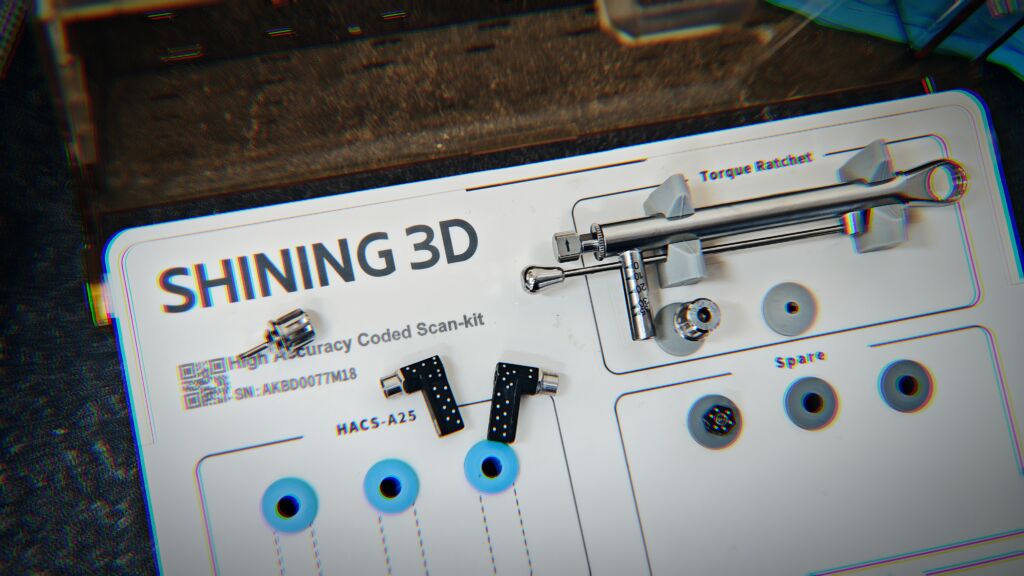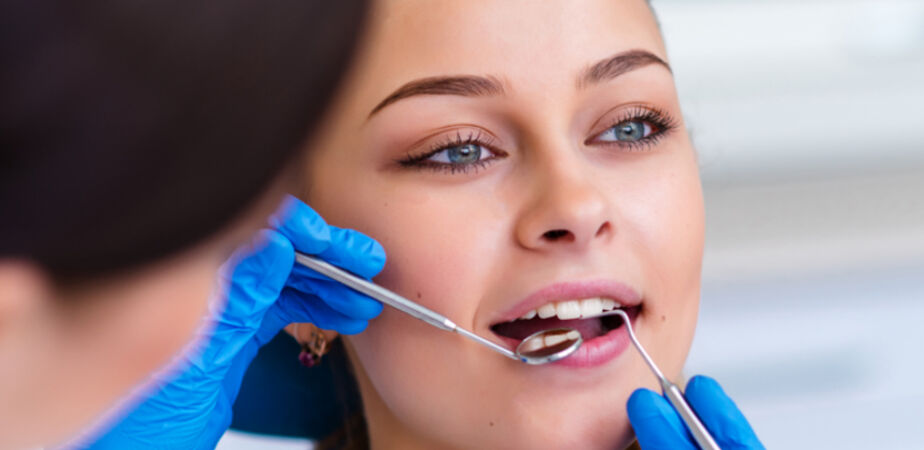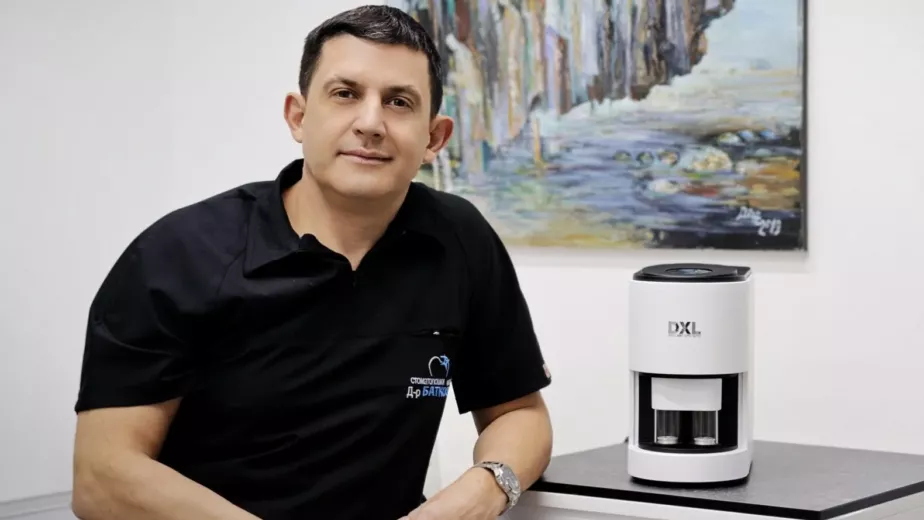
1. Dr. Sara, why do we use the SHINING 3D Scanner when planning aligner treatment?
Because it allows us to digitize the condition of the teeth with a high level of precision. Instead of taking a traditional dental impression, we obtain a 3D model that can be analyzed immediately and used to plan the treatment.
2. What exactly can you see on the 3D scan when a patient comes in for aligners?
We can see the teeth, their position, the bite, and the relationship between the upper and lower jaws. This gives us a very clear picture of the patient’s initial condition before creating the treatment plan.
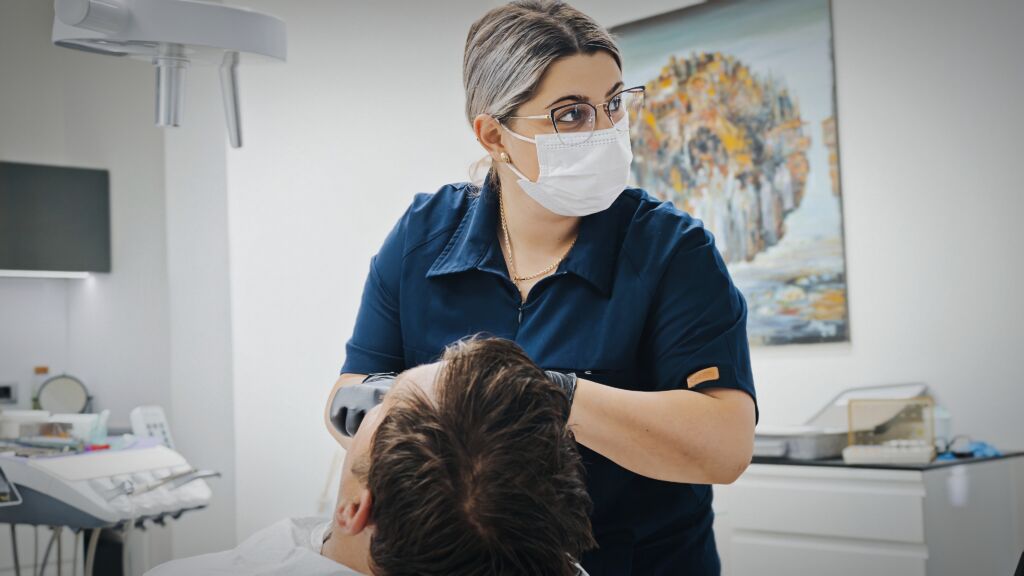
3. How does the scan influence the production of the aligners themselves?
The scan is the foundation of the entire digital workflow. It is used to create a precise 3D model, which allows us to plan the movement of the teeth and, ultimately, produce aligners tailored to the patient’s specific situation.
4. Can the patient see their treatment before it even begins?
Yes, and that is one of the most interesting aspects of digital treatment planning. We can show patients their initial condition and how their teeth are expected to move through the different stages of treatment.
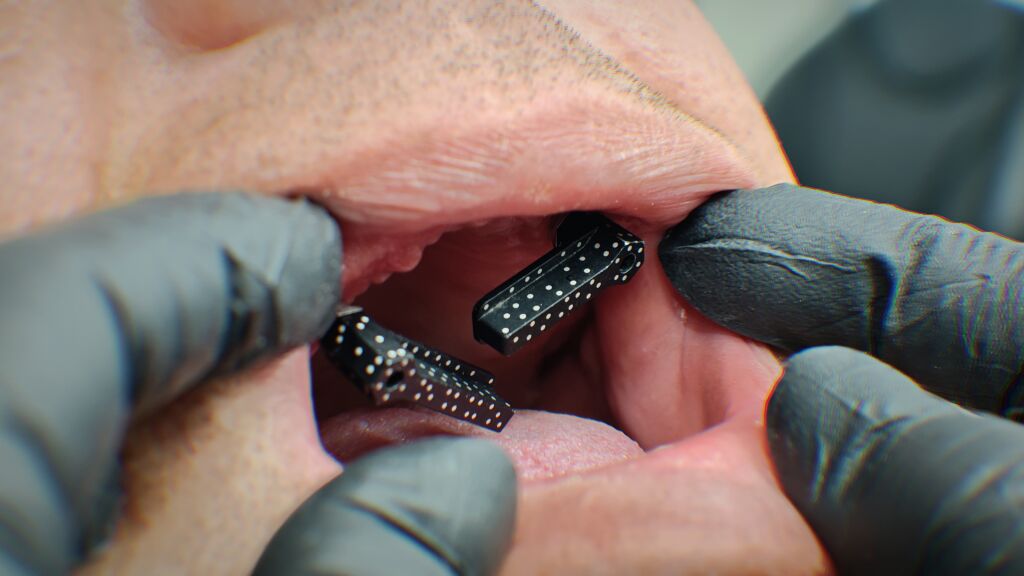
5. What is the advantage of a digital scan compared to a traditional dental impression?
For the patient, it is much more comfortable because there is no need for a traditional impression material. For us, we receive a digital model immediately, which we can analyze in detail and use throughout the entire treatment workflow.
6. How important is scan accuracy when it comes to aligner treatment?
It is extremely important because the entire treatment starts with an accurate digital representation of the teeth. The more accurately we capture the initial situation, the more precisely we can plan each subsequent step of the treatment.
7. If you had to simply explain to a patient what the SHINING 3D Scanner does, how would you describe it?
I would say that it allows us to turn your smile into a precise digital 3D model, which we can then use to plan your treatment. The scan is where the entire digital process begins — from analysis and treatment planning to your custom aligners.