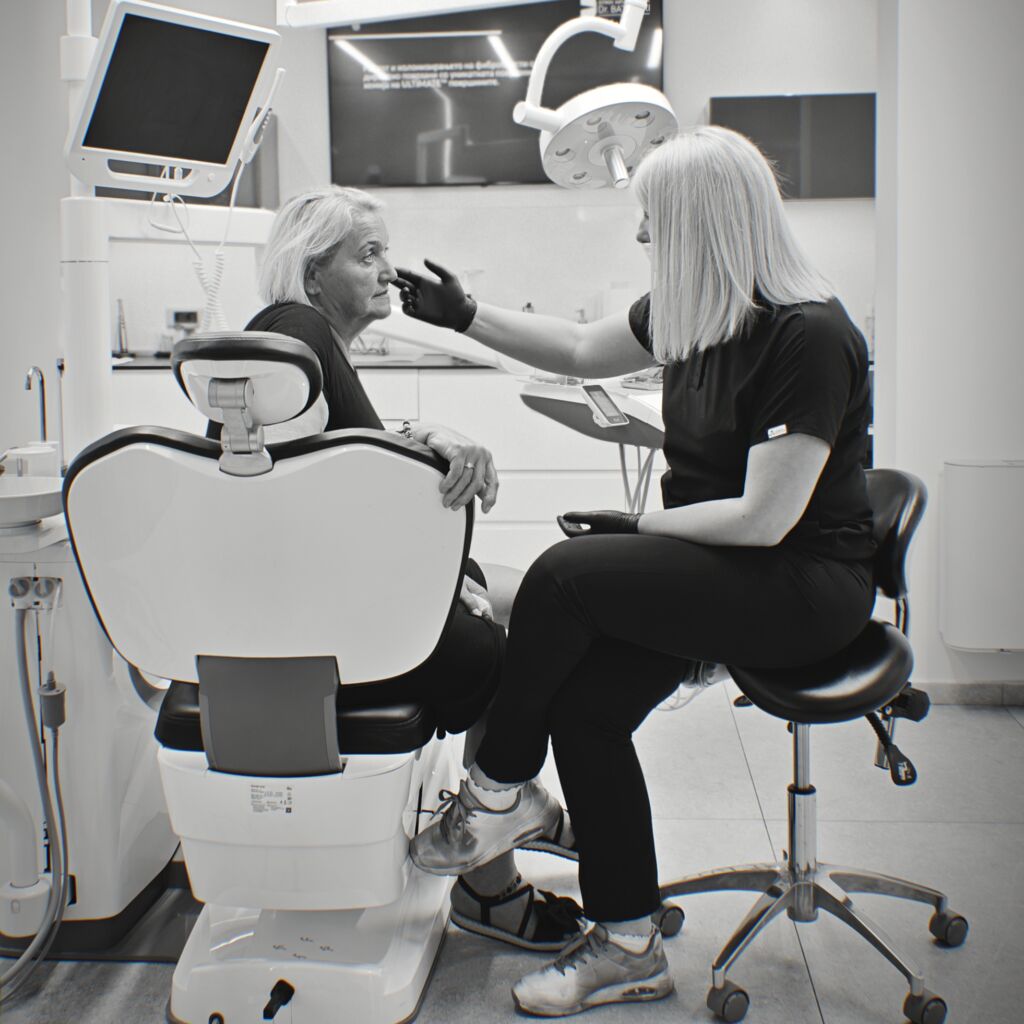
- Where is the line between aesthetic enhancement and overcorrection with fillers?
The line is crossed when, instead of enhancing the harmony of the face, we begin to alter its natural anatomy and character.
For me, a good result is not one where you can immediately tell that the patient has had filler, but one where the face looks fresher, more harmonious, and well-rested.
When volume becomes more important than proportion, we are already talking about overcorrection.
- Does every person who asks for filler actually have an indication for filler?
No. And I believe that one of the most important professional decisions is knowing when to say “no.”
A patient may come in with a specific request, but that does not necessarily mean that their request is the best solution for their face.
Sometimes a different treatment is needed, and sometimes the best advice is to do nothing at all.
Trust is also built by knowing when to stop.
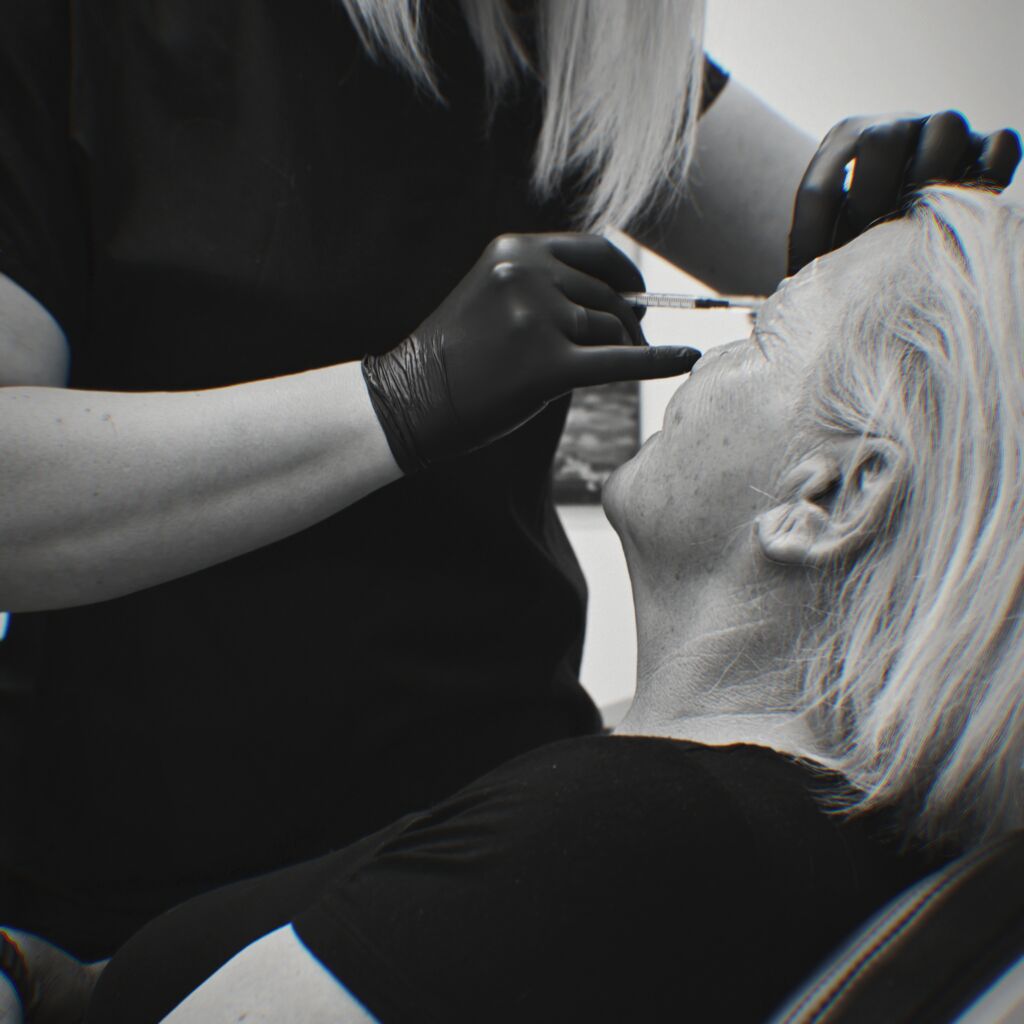
- When a patient already has fillers, how do you assess whether to proceed with further treatment?
First of all, I would not automatically add more material.
I assess the face as a whole — its symmetry, proportions, the amount and position of the existing filler, as well as the quality of the tissue.
If there is accumulated volume or uneven distribution, adding more filler may only make the problem worse.
Sometimes the best approach is to address the existing problem first and only then consider a new treatment.
- With Botox, how do you determine the dose and injection points in order to preserve a natural expression?
Botox should not mean completely disabling the muscle.
The goal is to reduce excessive muscle activity while maintaining enough movement for the face to remain expressive.
The dosage and injection points are individualized and depend on the patient’s anatomy, muscle strength, age, and facial expressions.
There is no single universal dose that works for everyone.
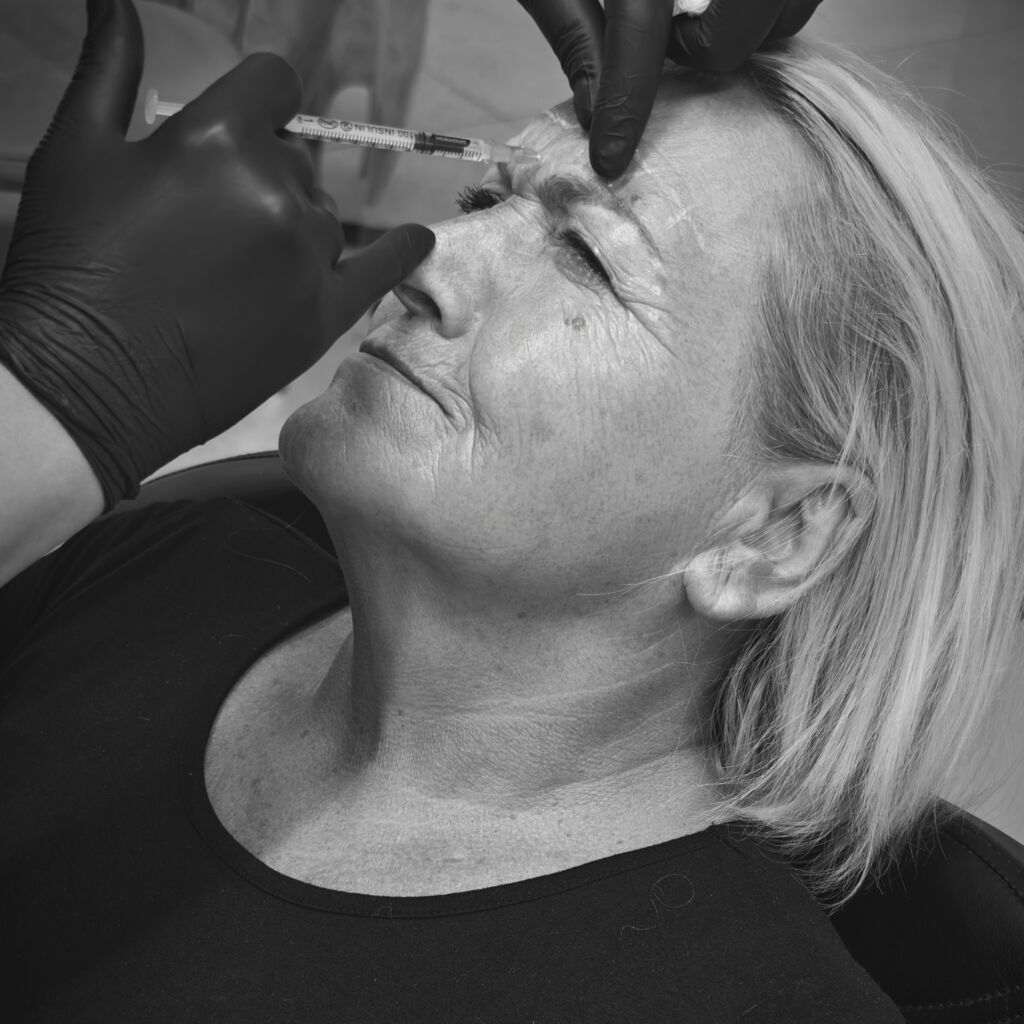
- What is the most common misconception about Botox and fillers?
I think the biggest misconception is that Botox and fillers are the same thing.
Botox acts on muscle activity, while fillers are most commonly used to restore volume, contour the face, or correct certain structural deficiencies.
Another misconception is that a good aesthetic treatment has to be noticeable. In fact, the best result is often one that looks natural and does not draw attention to the treatment itself.
- Does “more” always mean “better”?
Absolutely not.
In aesthetic medicine, using more product does not automatically mean achieving a better result. Sometimes a small, well-placed correction can make a much greater difference than a large amount of filler.
I explain to patients that the goal is not to change their face, but to enhance what they already have.
And once harmony has been achieved, we need to know when to stop.
- What is more difficult: achieving a visible result or one so natural that no one notices?
The second is much more difficult.
A visible result is relatively easy to achieve with enough volume or a strong effect. But making a patient look better, fresher, and more harmonious while no one can tell exactly what has been done requires much more knowledge, a sense of proportion, and restraint.
For me, the highest level of aesthetic medicine is when the patient looks like the best version of themselves, rather than like someone else.